

Introduction: The 2026 Surge in Molecular Glue Degrader Interest
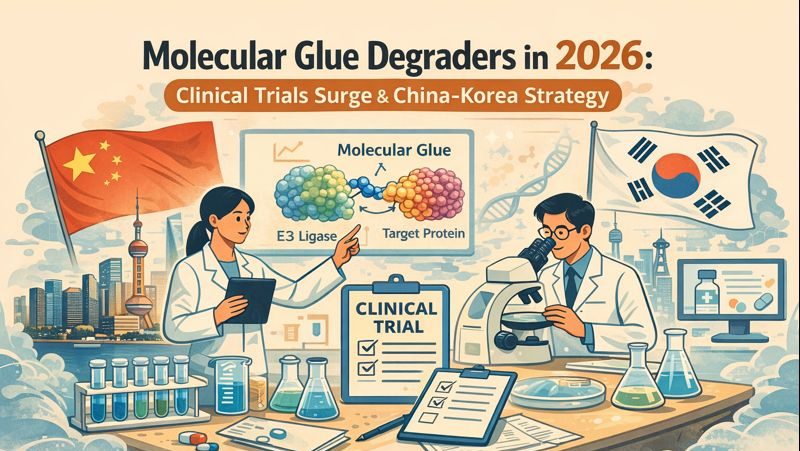
In 2026, “molecular glue” degraders have burst into the spotlight, igniting unprecedented enthusiasm across the pharmaceutical industry. A molecular glue degrader is a small molecule that can “glue” a target protein to an E3 ubiquitin ligase, triggering the target’s destruction by the cell’s proteasome. This mechanism – a form of targeted protein degradation (TPD) – isn’t new in concept (thalidomide was a historical example), but recent breakthroughs have shattered previous limitations. Notably, a July 2025 study from Monte Rosa Therapeutics showed that molecular glues can target a much wider array of proteins than scientists initially believed. In the words of Monte Rosa’s CSO, “it’s a watershed moment for the field”, as glues can now go after “undruggable” targets once thought out of reach. This scientific progress has coincided with major business moves: Big Pharma and biotech are racing in with massive investments.


From 2023 to 2024 there were at least 13 high-profile partnership deals worth over $18 billion in total, involving companies like Merck, Roche, Bristol Myers Squibb, AbbVie, Novartis, Lilly, and Takeda. For example, AbbVie struck a collaboration (up to $1.6 billion) with Neomorph in early 2025 to develop novel molecular glue degraders, and Takeda inked a $1.2 billion deal with China-based Degron Therapeutics in 2024. Even startups in Asia are joining the fray – BeyondSpring’s subsidiary Seed Therapeutics secured a $1.5 billion partnership with Eisai for glue degraders in oncology and neurodegeneration. All of these moves underscore a surging global interest in molecular glue degraders.
Why the frenzy? In short, molecular glue degraders offer a new paradigm in drug development, especially in oncology. Unlike traditional inhibitors that must continuously occupy a protein’s active site, degraders eliminate the protein entirely – an “event-driven” pharmacology that can produce more durable effects with fewer molecules. Molecular glues achieve this with a single small molecule (monovalent) rather than the larger bifunctional PROTAC molecules, potentially improving drug-like properties. Their unique ability to co-opt the cell’s own ubiquitin-proteasome system means previously intractable targets (like transcription factors or scaffold proteins) can be attacked by forcing their degradation, offering hope against diseases that had few treatment options.
The excitement is especially palpable in precision oncology, where molecular glues could degrade oncogenic proteins that lack “druggable” pockets. By 2026, the first wave of next-gen glues is advancing in the clinic. For instance, Monte Rosa’s MRT-6160 (a VAV1 degrader) is in Phase 1 trials via a $2.1 billion license with Novartis, and Chinese biotech InnoCare’s ICP-490 (an IKZF1/3 degrader) has entered trials for multiple myeloma and lymphoma, showing potent activity even against lenalidomide-resistant tumors. With such progress, it’s no surprise that industry analysts are calling molecular glues a “next blockbuster frontier” and companies worldwide are pouring resources into this area.
Importantly, China’s biotech sector has latched onto the molecular glue trend in a big way. In 2025, Chinese pharma companies ranging from Innovent and Hengrui to startups like Biaoxin and Kangpu were all reported to be developing molecular glue pipelines. Chinese innovators see molecular glues as a strategic opportunity to leapfrog into global leadership, in part because the field’s high technical barriers and relatively nascent competition present a window where early movers can excel. As one industry commentary put it, molecular glues provide Chinese companies “a platform to compete alongside international leaders”. This has significant implications for Clinical Trials strategy: many of these Chinese firms are not only pursuing domestic trials but are looking abroad to establish globally credible evidence for their molecular glue drug candidates.
In the following sections, we will define what molecular glues are and how they differ from more established PROTAC degraders, then dive into how companies – especially in China – can approach Clinical Trials for these agents. We’ll examine trial design considerations to build a clean evidence chain (from biomarker strategy and pharmacodynamics to safety and translation), highlight the strategic advantage of running simultaneous early-phase trials in China and South Korea, and discuss why South Korea stands out among Asian countries as the premier location for high-complexity precision oncology Clinical Trials. Finally, we’ll conclude with how Intoinworld, as a leading Korean CRO, is the ideal partner to navigate this landscape.
Molecular Glues vs. PROTACs: Definition and Appeal for Chinese Biotech
What exactly are molecular glue degraders, and how do they differ from PROTACs? Both are part of the growing arsenal of targeted protein degradation tools, but they work in distinct ways:
- Molecular Glue Degraders: A molecular glue is typically a single small molecule that simultaneously binds an E3 ligase and a target protein, acting like an adhesive to bring the two proteins into proximity. By altering the surface of the E3 ligase, the glue effectively “rewires” the ligase’s specificity so that it recognizes the target protein and ubiquitinates it. The end result is that the target protein is tagged for destruction and degraded. Molecular glues tend to be monovalent and relatively small – often with molecular weights in the low hundreds of Daltons, similar to conventional small molecules. A classic example is thalidomide and its analogs (lenalidomide, pomalidomide), which act as molecular glues binding the cereblon E3 ligase and causing it to degrade the transcription factors IKZF1/3 (critical in multiple myeloma). These glue compounds are often discovered serendipitously or via high-throughput screening, since they require finding a molecule that can bridge two proteins that normally don’t interact. Modern approaches, however, are getting more sophisticated: companies are now employing AI and deep learning to predict glue candidates and screen for them (e.g. Monte Rosa’s QuEEN platform and Triana Biomedicines’ deep-learning E3 selection algorithms).
- PROTACs (Proteolysis-Targeting Chimeras): A PROTAC degrader is a heterobifunctional molecule – essentially it’s composed of two active ends connected by a linker. One end binds to the target protein of interest, the other end binds to an E3 ligase. By physically tethering a target to an E3, a PROTAC induces the same outcome (ubiquitination and degradation of the target). Unlike glues, PROTACs are larger molecules (often 700–1000+ Da) because of the two ligand halves and linker. PROTACs can often be designed rationally by starting from known binders to the target and to an E3 ligase and chemically linking them. This modular design means if you have a ligand for your protein and a ligand for an E3 (like cereblon or VHL), you can create a PROTAC – a strategy that led to many early PROTAC candidates in oncology (e.g. ARV-110 targeting androgen receptor, ARV-471 targeting estrogen receptor) now in mid-stage Clinical Trials. However, PROTACs do face challenges: their large size can hurt cell permeability and oral bioavailability, and they require the target protein to have a ligandable pocket for the warhead to bind. Not all proteins have such pockets, which limits PROTACs’ reach.
In summary, molecular glues and PROTACs achieve the same goal (protein degradation) but via different routes. The table below summarizes key differences:
| Aspect | PROTAC Degraders (Bifunctional) | Molecular Glue Degraders (Monovalent) |
| Structure | Bifunctional chimera with two separate ligands joined by a linker. | Single small molecule that binds both target & E3 together. |
| Size & Drug-Likeness | Large (often 700–1200 Da), which can hinder cell permeability and oral absorption. May require injection if too large. | Small (often <500 Da), drug-like properties with good cell permeability and even blood-brain barrier penetration. Often suitable for oral delivery. |
| Target Requirement | Needs a binding site on the target protein for the warhead ligand. Not effective on proteins without a clear pocket. | Can induce degradation even of proteins lacking obvious binding pockets by creating a new interface for binding. Expands reach to “undruggable” targets. |
| Mechanism of Action | Forms a ternary complex by physically tethering target to E3 via linker. Catalytic: one PROTAC can degrade many targets (reused after target is destroyed). | Binds to an E3 and alters its surface to recruit the target; target binds transiently and is ubiquitinated. Also catalytic in effect (one glue can trigger multiple rounds of degradation). |
| Discovery/Design | Largely rational design by linking known target ligands with E3 ligands (e.g. cereblon binders like pomalidomide). Many now in clinical development through this approach. | Often discovered via phenotypic screening or ligand evolution (historically serendipitous). New computational methods are emerging, but de novo design of a glue is challenging due to the need to fit two proteins simultaneously. |
| Examples | ARV-110 (AR degrader, prostate cancer, Phase 2), ARV-471 (ER degrader, breast cancer, Phase 2) – both by Arvinas/Pfizer. Several others in Phase 1 oncology trials (Nurix, Kymera, etc.). | Thalidomide (first recognized glue, legacy IMiD drug for myeloma), Lenalidomide (Revlimid) and Pomalidomide – approved in multiple myeloma via IKZF1/3 degradation. Mezigdomide (CC-92480) – a next-gen cereblon glue in trials. Emerging glues for GSPT1 (e.g. CC-885), RBM39, CK1α, etc., are in preclinical or early trials. |
From the table, one can appreciate why molecular glues are generating so much excitement: they overcome some of PROTACs’ biggest limitations (size and the need for a target pocket), potentially unlocking a broader swath of the proteome for therapeutic intervention. Dr. Daniel Nomura, a leading TPD researcher, noted that glues can “exploit the collective binding pocket formed by bringing two protein interfaces together… You create enough of a pocket to engage interactions to glue those proteins together,” thereby hitting targets that neither protein had a pocket for on its own. In practice, this means molecular glues might drug the “undruggable.” It’s no wonder that by 2025 virtually every major pharma company had launched a molecular glue program or partnership, and numerous startups were founded to hunt for glues.
Why Molecular Glues Attract Chinese Biotech
For Chinese biotech companies, molecular glues hold special appeal. China’s biopharma sector in recent years has been innovation-hungry and globally ambitious, looking to move beyond me-too drugs into cutting-edge modalities. Molecular glues hit a sweet spot: they are small molecules (an area where many Chinese firms have deep expertise) but represent a frontier technology with relatively few established players, meaning there’s an opportunity to become a world leader if you move fast. Unlike some biologic frontiers (e.g. CAR-T or RNA therapies) which require complex new infrastructures, molecular glues leverage the classic small-molecule discovery toolkit (medicinal chemistry, high-throughput screening, etc.) enhanced with modern tricks like AI.
This lower barrier to entry in discovery, combined with the high potential impact, has led to a proliferation of Chinese companies in the glue space. Companies such as Innovent, Hengrui, Chia Tai Tianqing, InnoCare, and many others have publicly disclosed molecular glue programs. Notably, several Chinese glue degraders have already reached clinical trials. InnoCare’s ICP-490, for example, is an IKZF1/3 degrader (similar target to lenalidomide) that entered Phase 1 trials for hematologic cancers, showing in preclinical studies an ability to overcome lenalidomide resistance and synergize with antibodies like daratumumab. Another Chinese firm, Seed Therapeutics (a BeyondSpring subsidiary), is developing an RBM39-targeting glue for solid tumors, aiming for first-in-human studies in neuroblastoma and liver cancer.
Chinese biotechs are also drawn to molecular glues because of the opportunity for global partnerships and recognition. Many novel Chinese-developed therapies (like certain ADCs or cell therapies) have faced skepticism or regulatory hurdles when expanding globally, but a breakthrough small-molecule like a molecular glue could more readily gain acceptance if supported by strong evidence. We’ve already seen Chinese startups leverage glue programs to strike big deals: Seed Therapeutics’ $1.5B deal with Japan’s Eisai, and Orionis Biosciences (with operations in China) securing a deal with Genentech worth up to $2 billion for its Allo-Glue platform. These examples signal that if a Chinese company can produce compelling clinical data for a molecular glue, global pharma will take notice.
However, to maximize success, Chinese companies recognize they need to conduct Clinical Trials that meet global standards. This is where trial strategy becomes crucial. Chinese firms are increasingly considering multi-region early-phase trials – especially including South Korea – to generate high-quality data that satisfies not only China’s NMPA but also the U.S. FDA and European EMA. Below, we discuss how to design those trials for molecular glues and build a “clean” evidence chain, and why having trials in Korea can be a game-changer for Chinese biotech in particular.
Clinical Trial Design for Molecular Glues: Building a Cleaner Evidence Chain
Designing Clinical Trials for a novel molecular glue degrader requires careful planning to demonstrate clear mechanistic evidence and manage potential risks. These agents have unique considerations given their mechanism (inducing protein degradation rather than simple inhibition). To convince regulators and partners of a molecular glue’s efficacy and safety, sponsors should aim for a “clean evidence chain” – showing step by step that the drug hits the intended target, causes the intended biological effect, and leads to clinical benefit. Key trial design considerations include:
- Biomarker Strategy & PD (Pharmacodynamics): Establishing robust biomarkers of target engagement and protein degradation is essential for molecular glue trials. Sponsors should identify measurable indicators that the glue is doing its job in vivo. For example, if the glue degrades an oncogenic protein, the trial could measure the levels of that protein (or a downstream surrogate) in patient tumor biopsies or blood cells before and after dosing. Many glue degraders will have pharmacodynamic (PD) markers such as loss of the target protein or suppression of a target-related gene signature. Incorporating tumor biopsies in early-phase trials (e.g. pre-dose and on-treatment biopsies in a Phase 1 dose escalation) can demonstrate that the drug is indeed degrading the target in patients. Additionally, circulating biomarkers (like degradation products or changes in cytokines) can help track PD in real time. A strong biomarker strategy might involve assays like immunohistochemistry, flow cytometry, or mass spectrometry to quantify target protein reduction. This data helps determine the minimum biologically effective dose – the dose at which maximal target degradation is achieved – which can guide dose escalation and expansion. Molecular glues often have complex effects (they might degrade multiple substrates), so it’s crucial to monitor a panel of biomarkers to fully characterize their action. By the end of Phase 1, the goal is to have a clear chain of evidence: “Drug was present at X exposure, which led to Y% degradation of target protein, which in turn led to Z downstream pathway modulation.” This evidence chain builds confidence that any observed clinical responses (tumor shrinkage, etc.) are mechanistically driven by the intended action of the glue.
- Safety Considerations: Molecular glue degraders come with unique safety considerations, so trial designs must prioritize safety monitoring and risk mitigation. Unlike a selective inhibitor, a glue can cause degradation of proteins beyond the primary target (especially if it binds an E3 ligase like cereblon, which may recruit multiple substrates). For instance, cereblon-binding glues inevitably degrade IKZF1/3 – which is therapeutically useful in myeloma but also causes on-target side effects such as immune modulation and teratogenicity (recall that thalidomide’s glue mechanism led to fetal harm). Thus, sponsors should build in safety measures: strict teratogenicity precautions (pregnancy testing, contraception requirements, perhaps a REMS program if in the US context), close monitoring of blood counts and immune cell subsets (if the glue affects hematopoietic or immune proteins), and regular exams for any organ-specific toxicities observed in preclinical studies. Early-phase trials may include sentinel dosing (dosing one patient at a time at the start of a cohort) and dose-limiting toxicity (DLT) monitoring periods to carefully characterize the safety profile. It’s also wise to incorporate pharmacokinetic (PK) monitoring and PK/PD analysis, as glue degraders might have non-linear PK or accumulated effects due to sustained target knockdown. By correlating PK, PD, and safety data, sponsors can identify if high exposures that maximize degradation also approach toxicity thresholds. Furthermore, because molecular glues are a new modality, regulators will expect an abundance of caution – for example, stopping rules or interim safety reviews in the protocol. A well-designed glue trial will often start in a controlled population (e.g. relapsed/refractory cancer patients with limited options) and escalate doses carefully, watching for any off-target effects that broad protein degradation might cause. Capturing any on-mechanism adverse effects (like cytokine changes, class-specific effects) can also help manage them in subsequent trials.
- Translational Execution: To build a bridge from preclinical rationale to clinical proof-of-concept, molecular glue programs need strong translational execution. This means the Clinical Trial should be designed not as an isolated experiment, but as part of a continuum with the lab. First, ensure preclinical models (cell lines, animal models) demonstrated that the glue’s efficacy is tied to its degradation of the intended target – this justifies your biomarkers and patient selection. Next, in the trial, collect samples that allow back-translational analysis. For example, tumor biopsy samples can be subjected not only to the planned biomarker assays but also to exploratory proteomics or transcriptomics to discover any other proteins being degraded or pathways activated – this can uncover off-target effects or new biomarkers. Genomic profiling of patient tumors is also important in precision oncology trials with glues: it may identify co-mutations or factors that correlate with response (or resistance) to the degrader. A “clean” evidence chain in a translational sense means you can trace the outcome (e.g. tumor shrinkage in a patient) back through intermediate steps: target was present (confirmed by baseline biomarker), drug was given (confirmed by PK), target was eliminated (confirmed by PD marker), and tumor cells died (confirmed by imaging and perhaps molecular response markers). Achieving this often requires a multi-disciplinary trial team: clinicians, pharmacologists, and scientists working together on protocol design. The protocol might include adaptive elements – for instance, if early data shows that only patients with a certain biomarker respond, the trial could adapt to enrich those patients in an expansion cohort. Another translational consideration is combination strategies: many molecular glue trials (especially in oncology) will consider combining the degrader with other agents (as glues might synergize with immunotherapies or kinase inhibitors). Planning combination cohorts or sequential trials depends on having solid monotherapy data first. Overall, a strong translational execution plan ensures that Phase I results can directly inform Phase II/III and regulatory decisions, by validating the mechanism and honing in on the right patient population and endpoints. Close collaboration between the trial sponsor and investigators (often academic researchers keen on TPD mechanisms) can greatly enhance the quality of insights from an early-phase molecular glue trial.
By focusing on these areas – biomarkers/PD, safety, and translational linking – companies can make their molecular glue Clinical Trials far more informative and “clean” in evidence. This not only accelerates development (by efficiently determining the optimal dose and patient group) but also builds credibility with regulators and partners. A well-documented mechanism-of-action in humans, for example, can support accelerated approval arguments or attract licensing interest. Given that molecular glues are still an emerging modality, every bit of evidence helps to educate stakeholders that “yes, this drug is hitting the right target and it’s leading to patient benefit.”
One additional consideration in trial design is regulatory strategy – which ties into the next section: where you conduct your trials can be just as important as how you conduct them. For companies in China and other countries aiming for global drug development, running Clinical Trials in multiple regions (simultaneously) can significantly strengthen the evidence package. In particular, a strategy of parallel early-phase trials in China and South Korea has gained traction, as we explore below.
The Strategic Value of Simultaneous China–Korea Early-Phase Trials
For Chinese biotech companies developing cutting-edge therapies like molecular glues, a simultaneous China–Korea Clinical Trial strategy can be remarkably advantageous. Under this approach, a company initiates early-phase trials (Phase I and/or Phase II) in China and South Korea in parallel, rather than conducting trials in just one country or sequentially. There are several strategic benefits to this:
- Global-Ready Data Package: By running a trial in South Korea alongside China, sponsors can generate data that is readily accepted by global regulators. South Korea’s regulatory agency (MFDS) adheres to ICH-GCP standards and is recognized as a top-tier authority (a WHO Level 4 agency). This means that Clinical Trial data from Korea can be used for US FDA or EMA filings with confidence, as long as the trial is well-conducted. In fact, under FDA’s 21 CFR 312.120, data from foreign (non-US) trials can support an FDA approval if GCP is followed – a criterion that Korean trials meet consistently. By contrast, data from a trial conducted only in China might face extra scrutiny or require a bridging study for FDA, due to historical perceptions (though China is now an ICH member, global acceptance of China-only data is improving but still catching up). Simultaneous trials in China and Korea enable a combined data package that can support both NMPA approval in China and FDA/EMA submissions, without duplicative trials. Sponsors can align the protocols so that endpoints and datasets are similar, making it easier to pool or compare results. As Intoinworld’s experts note, a well-designed Korean study can often be leveraged for multi-region approvals “without redundant trials”. This can cut years off development timelines for a biotech aiming for global markets.
- Regulatory Speed and Efficiency: South Korea offers a notably fast and sponsor-friendly regulatory process for trials, which can complement China’s system. The MFDS typically reviews new Clinical Trial applications in 30 working days (~4–6 weeks). In fact, sponsors in Korea often receive trial approval in about 4–8 weeks, significantly faster than the 12–16 weeks that regulatory approval can take in China. What this means in practice is that if a company submits an IND in both China and Korea at the same time, the Korean trial can start earlier. The Korean Phase I could dose the first patient perhaps a month or two before the Chinese IND is cleared. This head start can yield early human data (PK, initial safety) that informs the ongoing Chinese trial – essentially de-risking it. For example, if a certain dose causes an adverse event in the Korean trial, the Chinese sites can be forewarned or start at a safer dose. Parallel trials with a staggered start provide an early safety signal advantage. Moreover, Korea’s IRB approvals at hospitals are also quick (~3 weeks on average), and the country allows parallel submissions (you can submit to MFDS and IRBs simultaneously). In contrast, Chinese startups often face a queue for IND review in China’s NMPA. By utilizing Korea’s speed, a biotech can avoid losing time – critical when racing a competitive field like molecular glues. Early-phase data from Korea might also expedite licensing deals or partnerships, since international pharma partners appreciate seeing human data under ICH conditions.
- Expanded Patient Access & Faster Enrollment: Running trials in both China and Korea broadens the patient pool and can speed up recruitment, especially in oncology trials with specific biomarkers. While China has a vast patient population, there can be intense competition for trial patients (given the boom in domestic trials) and sometimes operational bottlenecks at hospitals. South Korea, on the other hand, has a very high trial participation rate and a dense network of trial sites (over 220 certified Clinical Trial sites, many in Seoul). For a molecular glue targeting a rare mutation or a specific cancer subtype, tapping into both Chinese and Korean hospitals increases the chances of finding eligible patients quickly. Notably, South Korea’s population, though smaller, has near-universal health coverage and centralized medical systems, so patients with specific biomarkers can be identified via hospital databases efficiently. In a simultaneous trial approach, sponsors could run the same protocol and aggregate patient enrollment from two countries, reaching target sample size faster. Even if data isn’t pooled, having two parallel cohorts (one Chinese, one Korean) allows you to demonstrate the drug’s effect in two independent populations – strengthening the evidence of generalizability. This is particularly valuable for precision oncology: if a drug works in both Chinese and Korean patients with a given molecular profile, it’s a good indicator it will work in patients elsewhere too.
- Risk Mitigation and Backup Strategy: Conducting Clinical Trials in more than one country provides a hedge against regulatory or operational delays in either country. If, say, administrative or pandemic-related delays slow down the trial in China, the Korean trial can continue relatively unaffected (and vice versa). It also hedges against the risk of regulatory hold or changes – for instance, if one regulator asks for an additional toxicology test and halts the trial, the other country might not, allowing some continuity of data collection. In the case of molecular glues, which are new, it’s possible one agency might have more concerns. By engaging with both MFDS and NMPA early, sponsors can get a broader view of regulatory expectations. Additionally, a positive result in one country’s trial can bolster the other – e.g., if the Korean Phase I shows clear efficacy in a few patients, it can encourage Chinese investigators and regulators to push ahead enthusiastically (perhaps facilitating approvals for an expanded trial or compassionate use in China).
- Cross-Pollination of Expertise: China and South Korea each have strong scientific and medical communities, and a simultaneous trial approach can foster collaboration. Chinese researchers may benefit from Korea’s experience in running complex global trials, while Korean investigators might gain access to an innovative drug originating from China. There have been examples in other modalities (like CAR-T cell therapies) where Chinese companies conducted early trials in the US or EU to get that cross-pollination of know-how; here, Korea serves as a gateway to global standards. Korea has many Western-trained clinicians and a long history of partnering with global sponsors, which can complement the deep local knowledge Chinese teams have about their drug and disease targets. Joint DSMBs (Data Safety Monitoring Boards) or shared analysis can be instituted to oversee both trials, ensuring a unified view of the data. All of this contributes to higher quality and consistency in trial conduct.
Overall, a simultaneous China–Korea trial strategy allows Chinese biotech firms to “think globally, act locally” – they can conduct trials at home while also getting a foot in the door of the international regulatory landscape via Korea. South Korea effectively bridges East and West in drug development, since Korean trial data are globally recognized and Korea’s regulations align with FDA/EMA, yet Korea is geographically and culturally closer to China, making collaboration more straightforward. It’s no coincidence that an increasing number of Chinese companies have chosen Korea as the site of their first overseas Clinical Trials. In fact, as of 2024, a significant portion of trials in Korea sponsored by Chinese firms were in highly innovative areas like oncology biologics and ADCs – areas comparable to molecular glues in cutting-edge status. Those companies clearly see the strategic value of leveraging Korea’s trial environment.
To implement this strategy, sponsors often engage a CRO or partner with operations in both China and Korea to coordinate the parallel studies. Close alignment of protocols and endpoints is important so that the data can be compared or combined. And sponsors should be mindful of regulatory nuances – for example, ensuring that any ethnic differences in pharmacokinetics are examined (since bridging studies between Asian populations might still be required in some cases, though China and Korea populations are both East Asian, global regulators may ask if data from Asia applies to Western populations – usually yes, if scientifically justified). Despite such considerations, the consensus among those who have done it is that running early trials in both China and Korea can accelerate development and increase the ultimate success of the program.
With that in mind, let’s turn to why South Korea in particular stands out as the partner of choice in Asia for conducting complex, precision oncology Clinical Trials like those needed for molecular glues.
Why South Korea Leads Asia in High-Complexity Precision Oncology Clinical Trials
Among all Asian countries, South Korea offers a superior environment and value for high-complexity, precision oncology Clinical Trials. Over the past decade, Korea has quietly transformed into a global Clinical Trials powerhouse, and it excels particularly in oncology and early-phase research. Several factors contribute to Korea’s standout position:
- Efficient and Robust Regulatory Framework: Korea’s MFDS is renowned for its speed and professionalism in approving Clinical Trials. As noted, an IND (Investigational New Drug) application in Korea is typically approved in about 30 working days, significantly faster than many other countries. The MFDS has continually implemented innovations – for instance, 2025 saw reforms like rolling reviews and parallel processing that cut new drug approval times by ~30%. For trials, the MFDS allows parallel IRB and regulatory submissions, and sponsors often get approvals in 4–8 weeks. Despite this speed, the quality of review is high – the MFDS is an ICH member and was classified as a top “Maturity Level 4” regulatory agency by WHO. The upshot is that trials in Korea meet FDA/EMA standards and data from Korea is accepted globally. A testament to Korea’s quality: from 2008 to 2022, U.S. FDA inspections of Korean trial sites resulted in zero Official Action Indicated (OAI) warnings, meaning no serious compliance issues – a record very few countries can match. This gives sponsors confidence that doing a complex trial (like a precision oncology study with intricate biomarker assays) in Korea will be handled correctly. By contrast, other Asian hubs have limitations: China, while huge in trial volume, only recently upgraded its GCP standards and still faces variability in site quality; Japan has strong quality but is notoriously slow in study startup due to heavy bureaucracy and often requires local drug approval before experimental trials can be widely done, limiting flexibility. Singapore and others have good quality but are small and can’t match Korea’s patient access. Korea hits the sweet spot of speed + quality that is critical for high-complexity trials.
- Concentration of World-Class Hospitals and Investigators: South Korea’s healthcare infrastructure is exceptional. The country has ~51 million people with 97% covered by national health insurance, and a healthcare system ranked among the world’s best. In Seoul, the capital, there is an unprecedented density of top-tier hospitals: institutions like Seoul National University Hospital, Samsung Medical Center, Asan Medical Center, Yonsei Severance Hospital, and many more are globally recognized for their research and patient care. Seoul has in fact been the #1 city in the world for number of Clinical Trials since 2017. Over 220 hospitals in Korea are certified trial sites (half of them in the Seoul metropolitan area), and the country boasts 26+ dedicated Phase I clinical pharmacology units for early-phase studies – one of the highest per-capita in the world. This means if you’re running a complex precision oncology trial (say, a molecular glue that only works in patients with a rare gene fusion), Korea can centralize patients to a few high-volume cancer centers that each see thousands of new patients a year and have cutting-edge diagnostics to find your needle-in-haystack patients. Many Korean hospitals have on-site molecular pathology labs, next-generation sequencing facilities, and experience with novel biomarker tests (e.g. liquid biopsy, ctDNA). Investigators in Korea are highly experienced – Korea has been among the top 5 countries globally for trial activity for years, so physicians here have worked on numerous global trials. They are familiar with adaptive trial designs, novel endpoints like PFS2 or MRD, and other complexities that precision oncology trials entail. English proficiency is high among Korean medical staff, and many have trained or worked abroad, so collaboration with global teams is seamless. Importantly, patient recruitment in Korea is very strong. The combination of a disease-focused healthcare system and centralized records means trials can recruit faster. For example, a sponsor can work with a site to query their database for all patients with a particular mutation and reach out for trial enrollment, something Korea’s hospitals routinely do. The ability to quickly enroll and execute complex protocols is a major reason global sponsors rank Korea so highly.
- Precision Oncology Expertise: Korea has made oncology a national priority in clinical research. The government, through organizations like KoNECT (Korea National Enterprise for Clinical Trials), has invested in training and infrastructure specifically for cancer trials. As a result, Korea is especially renowned for oncology trials, including those requiring precision medicine approaches. For instance, Korea participated heavily in trials of immuno-oncology drugs, targeted therapies for EGFR, ALK, HER2, etc., often as one of the top recruiters globally. Korean oncologists are adept at using molecular profiling to match patients to trials – there are nationwide programs to screen cancer patients for mutations and refer them to appropriate Clinical Trials. This is invaluable for trials of molecular glues, which might target specific genetic contexts (e.g. a glue might degrade a protein only relevant in certain tumor genotypes). Other countries in Asia, like China, certainly have elite cancer centers and a large patient pool, but trial coordination across centers can be challenging and historically there have been quality consistency issues between sites. Japan has excellent oncology experts too, but a shrinking population and slower trial process hamper trial enrollment speed. Korea uniquely combines high volume of patients with advanced precision medicine practice and agility in trial execution. Moreover, Korea’s population is relatively genetically homogenous (predominantly East Asian ancestry), which can reduce variability in pharmacogenetics – useful when studying a new drug’s PK/PD in early phase, as the data is less confounded by wide ethnic differences. (Note: If a global program needs diversity, data from Korea plus other regions would be gathered later, but early on, a controlled population can be advantageous.)
- Cost-Effectiveness and Value: Conducting Clinical Trials in Korea is cost-effective compared to Western countries. Estimates suggest that trial costs in Korea are 30–40% lower than in the United States for equivalent quality. CRO services, site costs, and even per-patient costs tend to be lower due to lower labor costs and insurance coverage of standard of care. For example, one global Phase 3 trial cited by Intoinworld was able to reduce costs by 35% and shorten timelines by 6 months by utilizing a Korean CRO and sites, versus original projections. This cost advantage means sponsors can do complex assays and imaging in trials without breaking the budget. It also often allows more patients or additional exploratory endpoints to be included for the same budget, enhancing the trial’s insights. When comparing Asian countries, Korea is not the absolute cheapest (some trials in India or Southeast Asia could be lower cost), but Korea’s quality-to-cost ratio is arguably the best. You get world-class quality at a mid-range cost. Japan, in contrast, is extremely expensive for trials (often higher than the US per patient) due to high medical costs and mandatory local monitors, etc. China’s costs have been rising and are now approaching Western levels in big hospitals, plus there can be added costs for managing language and regulatory complexities. Thus, Korea offers superior value – the combination of reasonable cost with top-notch data that can support global filings. For precision oncology trials, which often require expensive biomarker tests and central lab work, Korea’s hospital infrastructure can handle many tests in-house as part of routine care (some biomarker tests might be covered by the health system if standard for that cancer), saving sponsors money.
- Global Data Acceptance and Reputation: We touched on this earlier but it’s worth emphasizing: data from Korean Clinical Trials is globally accepted and respected. Korea’s participation in ICH and its status as a PIC/S member for inspections mean that a trial conducted in Korea will not be seen as an “ASEAN trial” of lower quality, but rather on par with data from Western Europe or North America. The MFDS and Korean investigators have a solid reputation with the FDA and EMA. This is crucial for high-complexity trials – global regulators will trust sophisticated trial data (like a novel companion diagnostic or a complex efficacy endpoint) if it comes from a site like Samsung Medical Center in Seoul, as opposed to an unknown site in a country with a less established research culture. South Korea’s track record of compliance (e.g. no FDA OAI findings, as mentioned) provides an extra layer of confidence in the reliability of the trial results. Additionally, Korea’s pharmacovigilance and data management standards are very high; many global CROs have large offices in Korea, and local CROs are well-trained, so the data handling, query resolution, and overall trial conduct meet international expectations. For a precision oncology trial that might be used in an FDA NDA package, having it done in Korea is as good as (if not better than) doing it in the US in terms of acceptance. When comparing Asian locales, Japan and Korea are the only two with such high regulatory standing – China is catching up but not yet as proven, and others like Taiwan or Singapore, while competent, don’t have the same volume of global submissions to prove their data acceptance record. Korea’s edge over Japan is the aforementioned speed and cost; thus, Korea often wins as the preferred trial hub in Asia for global-minded sponsors.
In summary, South Korea offers an almost ideal environment for running complex, biomarker-driven Clinical Trials: rapid approvals, experienced sites, strong enrollment, top-tier data quality, and reasonable cost. This unique combination is why Korea is often called the “clinical trials powerhouse” of Asia. It’s not an exaggeration – Seoul’s hospitals alone conduct hundreds of oncology trials a year, making the city a go-to place for cutting-edge studies in immunotherapy, gene therapy, and now targeted protein degradation. For Chinese companies or any biotech in the precision medicine space, partnering with Korea means your trial will be in good company and good hands.

To put it in perspective with a real metric: by 2023, China accounted for ~28% of global Clinical Trial initiations, reflecting its huge growth, but that surge has strained local infrastructure and quality control in some cases. Korea, ranking #4 globally, has about 3–4% of global trials – a smaller share, yet it punches above its weight in impact and publications. An IQVIA Korea representative noted that Korea “could emerge as the most capable nation in Asia for attracting a larger number of clinical trials,” given its strengths in transparency, speed, and infrastructure. The only caution raised was Korea’s need to embrace innovative trial designs more flexibly – a point the MFDS is actively addressing with new guidelines for adaptive and decentralized trials. In other words, Korea isn’t resting on its laurels; it’s continuously improving to accommodate the next generation of trials (including things like decentralized elements, real-world data integration, etc.). This future-ready attitude means that if you plan a complex precision oncology trial – say a molecular glue degrader with an adaptive Phase 1/2 design and an integrated biomarker companion diagnostic – Korea is not only capable of handling it, but likely to streamline it through initiatives like Priority Review, novel trial designs consultations, and so forth.
Having established where the best place to run these trials is (Korea), the final piece of the puzzle is who can help you do it. Executing a multinational, innovative trial is no small feat. That’s where a seasoned partner like Intoinworld in Korea becomes invaluable. In the conclusion, we discuss why Intoinworld is the partner of choice for companies venturing into Korean Clinical Trials, especially for complex studies such as those involving molecular glues.
Conclusion: Intoinworld – Your Preferred Partner in Korea for Molecular Glue Trials
Bringing an innovative therapy like a molecular glue degrader to patients requires not just a promising molecule, but also flawless execution in Clinical Trials. Intoinworld stands ready to be your preferred partner in South Korea to achieve that goal. As a leading Korean contract research organization (CRO) and consulting firm, Intoinworld offers the experience, local expertise, and strategic insight to ensure your trial in Korea (and across Asia) is a success.
Why Intoinworld? First, Intoinworld’s team comes with over a decade of hands-on CRO experience spanning Phase I to Phase IV trials. This includes extensive work in oncology and precision medicine trials – the kind of high-complexity studies where nothing can be left to chance. When you partner with Intoinworld, you get end-to-end support: from early regulatory strategy and study design optimization, through Regulatory Authority and IRB submissions, site selection, patient recruitment, monitoring, data management, to final report and submission preparation. Intoinworld’s experts can tailor your protocol to MFDS expectations, ensuring that your trial design aligns with Korean regulations and takes advantage of any available pathways (for example, identifying if your molecular glue qualifies for Korea’s GIFT fast-track or other facilitation programs). The team will manage regulatory consultations – the MFDS allows up to 10 consultation meetings during a new drug review, and Intoinworld can represent and guide you through these scientific advice sessions to smooth the way.
On the operational side, Intoinworld excels in on-the-ground execution. We coordinate rapid site start-up by leveraging our relationships with the top investigational sites in Korea – including major cancer centers ideally suited for molecular glue trials. Our bilingual clinical project managers and CRAs ensure seamless communication between your team and Korean investigators, eliminating language or cultural barriers. Intoinworld prides itself on maintaining inspection-ready documentation and GCP compliance at every step, building on Korea’s reputation for quality. Indeed, our internal QA processes and knowledge of global standards means we don’t just meet MFDS requirements – we anticipate FDA/EMA expectations too, so that the data we collect will stand up to scrutiny anywhere in the world.
For companies pursuing the simultaneous China–Korea trial strategy discussed earlier, Intoinworld can be particularly valuable. We understand both the Chinese and Korean regulatory environments and have partnership networks that extend into China. This means we can help harmonize multi-country trials, coordinate data and sample transfers, and advise on cross-registration strategies. Many of Intoinworld’s professionals have multinational trial experience, having worked with sponsors from the US, EU, China, Japan and beyond. That global perspective, combined with local Korean know-how, is Intoinworld’s unique strength.
Beyond the nuts and bolts of trial management, Intoinworld provides strategic consulting to maximize your trial’s success. For a molecular glue program, our team might help identify translational investigators in Korea who could champion your study (Korea has key opinion leaders in protein degradation research). We could advise on biomarker assay setup in Korean labs, or connect you with local labs that can handle specialized PK/PD analyses. If your trial needs a companion diagnostic, we navigate the regulatory co-development process for diagnostics in Korea as well. And when it comes time to analyze and present the data, we ensure you have the necessary statistical support and local medical insights to interpret results in the context of Korean patient demographics and standards of care.
Ultimately, Intoinworld’s mission is to make Korea an extension of your own development team – so you gain all the advantages of Korea’s Clinical Trials environment with none of the friction of operating in a foreign country. Our motto, “Connecting people, advancing clinical value,” speaks to this collaborative approach. We take pride in being not just a service provider but a trusted partner invested in your success.
If you are considering conducting Clinical Trials in Korea and want expert guidance, use our Quotation Request page to get a tailored proposal. Intoinworld’s team – with over 10 years of CRO experience across Phases I–IV – will consult with you to design a strategic plan aligned with MFDS regulations and your project goals. From first patient in to final data lock, we’ll be by your side to ensure your molecular glue trial (or any complex trial) runs efficiently and effectively.
Stay informed on the latest Clinical Trials trends, MFDS regulatory updates, and success stories from the Korean biotech industry by subscribing to Intoinworld’s newsletter. Our regular updates will help you navigate Korea’s clinical trial environment with insider knowledge. Sign up to receive expert insights delivered straight to your inbox – and keep your finger on the pulse of Korea’s dynamic Clinical Trials landscape.
In summary, the rise of molecular glue degraders in 2026 presents an exciting opportunity for innovative biotech companies worldwide. By leveraging smart Clinical Trials strategies – such as robust biomarker-driven designs and cross-border collaborations between China and Korea – and by choosing the right location (South Korea) and the right partner (Intoinworld), you can accelerate the development of these groundbreaking therapies. The path to turning a lab discovery into a life-saving cancer treatment is complex, but with the strategic advantages of Korea and Intoinworld’s expertise, that path becomes a fast-track highway. We invite you to reach out, partner with us, and together, advance clinical value for patients in need.
Ready to take your molecular glue or other novel therapy into Clinical Trials in Korea? Contact Intoinworld for a consultation or quotation today – let’s design a trial strategy that propels your program to global success.
Frequently Asked Questions (FAQs)
Q1. What are molecular glue degraders and how do they differ from PROTACs in Clinical Trials?
A1. Molecular glue degraders are small molecules that induce the degradation of disease-related proteins by “gluing” the target protein to an E3 ubiquitin ligase, leading to the target’s destruction. In contrast, PROTACs are larger bifunctional molecules with two ends that separately bind an E3 ligase and the target protein, linked by a chemical linker. In Clinical Trials, this difference means glues are typically oral, have better cell permeability, and can target proteins without obvious binding sites, whereas PROTACs may require injectable formulations and can only target proteins with known pockets. From a trial design perspective, both require demonstration of target degradation via biomarkers, but PROTAC trials might need to address potential PK challenges due to their size. Molecular glues, being smaller, often have more “drug-like” properties and may show clearer dose-dependent pharmacodynamics in early Clinical Trials. However, glues might cause degradation of multiple proteins (if the E3 has several substrates), so their trials focus heavily on monitoring on-target and off-target effects. PROTAC trials focus on achieving sufficient exposure to form the ternary complex. Overall, both are event-driven therapies, but molecular glues offer a simpler modality, which can translate to more straightforward Clinical Trial protocols and potentially broader patient eligibility (hitting “undruggable” targets that PROTACs can’t).
Q2. Why is there such a surge of interest in molecular glue degraders in 2026?
A2. The interest in molecular glues has spiked in 2025–2026 due to a confluence of scientific and industry factors. Scientifically, recent studies (like Monte Rosa’s 2025 Science paper) proved that molecular glues can target a wider array of proteins than previously thought, breaking the dogma that glues were limited to a few substrates. This opened the floodgates for pursuing many new targets via glues. At the same time, pharma companies saw early successes – for example, lenalidomide’s clinical success in multiple myeloma validated the glue concept, and new clinical candidates like BMS’s Iberdomide and Mezigdomide showed potent activity in blood cancers. Business-wise, huge partnership deals grabbed headlines: global pharma signed deals worth over $18 billion from 2023–2024 to get into the glue degrader space. Companies like AbbVie, Novartis, Merck, Takeda, GSK, Lilly all placed big bets on either partnering with or acquiring glue-degrader biotech startups. These investments signaled strong belief that molecular glues could be the “next big thing” in therapeutics. In China, numerous biotech startups and established firms jumped on the trend, seeing it as a chance to compete globally with an innovative modality. All this momentum has made molecular glues a hot topic in 2026 – there are dedicated scientific conferences (the “4th Molecular Glue Drug Development Summit 2026” etc.), increasing mentions in industry reports, and multiple programs entering Clinical Trials around the world. In summary, 2026 is a breakout year for molecular glues because the groundwork of the past few years (scientific breakthroughs, early clinical results, and heavy investment) is now translating into a wave of trials and rapid pipeline growth in this field.
Q3. What special considerations are needed when designing a Clinical Trial for a molecular glue degrader?
A3. Designing trials for molecular glues requires a strong focus on mechanism-based endpoints and safety monitoring. Key considerations include:
- Biomarkers and Pharmacodynamics: It’s crucial to demonstrate that the glue is degrading the intended target in patients. Trials often incorporate biomarker assays such as measuring the target protein levels in tumor biopsies or blood cells, and tracking downstream effects (e.g. changes in gene expression). Defining a pharmacodynamic endpoint – like “≥50% reduction in target protein X at day 15” – helps in dose selection and in showing proof-of-mechanism.
- Dose Finding: Molecular glues may have non-linear effects (once the target is saturated and degraded, more drug might not increase effect). Dose escalation in Phase I will look for the dose that achieves maximal target degradation without undue toxicity. This may not always be the maximum tolerated dose (MTD), so integration of PD data is vital in finding the optimal dose.
- Safety Monitoring: Glues can cause on-target and off-target degradation. Trials should include vigilant monitoring for class-specific side effects. For example, cereblon-binding glues require monitoring blood counts and immune parameters (due to IKZF1/3 degradation) and stringent pregnancy prevention (due to teratogenic risk, as with thalidomide). Frequent safety labs, ECGs, etc., are typically built in, especially in early cycles, to catch any unexpected toxicity quickly.
- Patient Selection: In precision oncology, selecting patients whose tumors express or depend on the target protein can enrich for efficacy. For instance, if a glue degrader targets a protein that is only relevant in a certain mutation context, molecular screening of patients is needed. Trials may be designed with a basket or cohort specifically for patients with that biomarker.
- Translational Samples: Trials of molecular glues often include optional or mandatory tumor biopsies, blood draws for circulating tumor DNA, and other translational research samples. These help understand the glue’s full impact (like identifying any other proteins being degraded) and can guide later trials.
- Regulatory Engagement: Because molecular glues are new, early dialogue with regulators (MFDS, FDA, etc.) via scientific advice meetings can be wise. Regulators might have input on trial design elements like the duration of safety follow-up, reproductive toxicity precautions, or the adequacy of biomarker assays. Incorporating that feedback ensures the trial generates data suitable for future approval filings.In short, a molecular glue trial must be mechanistically rich and safety-conscious. The protocol will likely include more biopsies and lab tests than a standard trial, and the analysis will correlate drug levels with protein degradation and clinical outcomes to build a compelling evidence chain. All of these efforts are geared towards de-risking the development – by Phase 2, you want clear evidence that “the drug hits the target and it helps patients,” which is exactly what these trial design considerations aim to deliver.
Q4. Why conduct early-phase Clinical Trials for molecular glues in both China and South Korea instead of just in China?
A4. Conducting parallel trials in China and South Korea can significantly strengthen and accelerate a development program:
- Regulatory Synergy: Data from South Korea is internationally recognized (Korea is ICH member, MFDS is a stringent regulatory authority). A Korean Phase I/II trial’s data can be used directly in US or EU regulatory submissions, whereas China-only data sometimes faces hurdles or requires additional bridging studies. By running a trial in Korea alongside China, a company ensures its evidence is global-ready from the start.
- Faster Timelines: South Korea’s regulatory process is faster – MFDS approvals ~30 days vs. longer NMPA timelines. A Korean trial can often start first, yielding human data that informs the Chinese trial (dose selection, safety signals) sooner. This parallel approach can cut total development time by allowing certain studies or phases to be done concurrently rather than sequentially.
- Quality and Compliance: Korean trial sites have an impeccable GCP compliance record (no FDA warning letters in years). Running a trial in Korea can provide high-quality data and perhaps different insights (Korean investigators are very experienced with early-phase experimental therapies). It complements China’s capabilities, ensuring the program is backed by data from a highly credible research environment.
- Broader Patient Access: While China has a huge patient pool, specific enrollment can still be challenging due to competition and regional variations. South Korea offers a concentrated network of top hospitals in a smaller area, which can sometimes enroll patients faster for niche trials (e.g., a specific molecular subset in cancer). By opening sites in both countries, sponsors cast a wider net and can recruit the required number of patients more quickly.
- Risk Mitigation: If there are any unexpected delays or issues in one country (regulatory hold, slower enrollment, etc.), the trial in the other country can continue, keeping the program on track. It’s a way of not putting all eggs in one basket. Also, having consistent results in two different populations (even if both East Asian) adds weight to the findings – it shows the drug’s effect is reproducible and not just an anomaly of one healthcare system or dataset.
- Attracting Partners and Investors: Global pharma companies and investors take notice when a drug is tested in an ICH country like Korea. It signals global ambition and quality. Chinese biotech that demonstrate success in a Korean trial may find it easier to strike licensing deals or raise international capital, because the data is viewed as one step closer to global approval. In essence, China–Korea simultaneous trials blend the best of both: China’s vast resources and patient population with Korea’s speed, quality, and global acceptance. For a groundbreaking therapy like a molecular glue, this strategy maximizes the chances of success and worldwide impact. Many savvy Chinese biotechs are adopting this approach, using Korea as a springboard to global development while they also conduct trials at home. The relatively close geographic and cultural ties between China and Korea also make coordination feasible (short flight, minimal time zone difference), so the operational overhead of running two trials in parallel is quite manageable, especially with a partner like Intoinworld orchestrating the Korean side.
Q5. What makes South Korea an ideal location for precision oncology Clinical Trials, and how can Intoinworld facilitate these trials?
A5. South Korea offers a unique blend of attributes that make it arguably Asia’s best location for precision oncology trials:
- Top-Tier Medical Infrastructure: Korea has numerous globally ranked hospitals with state-of-the-art facilities, dedicated cancer centers, and labs capable of sophisticated molecular diagnostics. These centers see a high volume of cancer patients and are experienced in cutting-edge trials, ensuring that even trials requiring complex procedures (biopsies, genomic sequencing, novel imaging) can be executed reliably.
- Rapid and Supportive Regulation: The MFDS is fast and collaborative – often approving trial applications in a month and offering sponsors scientific consultations to fine-tune development plans. For innovative therapies like molecular glues, the MFDS’s fast-track programs (e.g., Korea’s GIFT or conditional approval pathways) and alignment with FDA/EMA requirements mean you can design trials in Korea that count toward global approval.
- Concentrated Patient Pool with Advanced Care: Korea’s population, while smaller than China’s, has very high rates of cancer screening and treatment. Patients are mostly treated at large academic centers where trials are conducted, making recruitment efficient. Importantly, because nearly everyone has health insurance, standard care is accessible and trials can complement that care – patients don’t have to pay exorbitantly to join a trial, etc. For precision oncology, patients are often pre-tested for certain biomarkers as part of routine care (e.g., EGFR, ALK in lung cancer), so finding trial-eligible patients (like those with a particular mutation) can be faster in Korea.
- Proven Track Record in Oncology Trials: Korea is a world leader in oncology Clinical Trials, especially early-phase. Many breakthrough cancer drugs (PD-1 inhibitors, PARP inhibitors, ADCs, etc.) had Korean sites as top enrollers. Korean investigators are adept at handling novel agents and managing patients on them. This experience translates to high-quality data and adherence to protocol. Complex trial designs (adaptive designs, basket trials, etc.) have been successfully run in Korea, reflecting a level of expertise needed for precision medicine trials.
- Cost and Speed Advantages: Trials in Korea often enroll faster than in Western countries and at lower cost. Shorter timelines for enrollment and data lock mean you get answers sooner. The country’s small geographic size allows monitors and study managers to oversee multiple sites easily, which keeps quality high and timelines on schedule. All these factors reduce the cost per patient and per trial, stretching research budgets further.
In summary, South Korea provides fast approvals, skilled sites, quick enrollment, reliable data, and global credibility – a combination ideal for trials that are complex and high-stakes, like those in precision oncology.
Intoinworld, as a Korea-based CRO, is instrumental in leveraging these advantages for sponsors. We help by:
- Navigating Regulations: Intoinworld guides sponsors through MFDS processes, prepares high-quality submissions, and ensures all local regulatory requirements (for drug import, ethics approvals, etc.) are met swiftly. We essentially remove the “red tape” barrier so sponsors can tap into Korea quickly.
- Selecting Optimal Sites: We use our knowledge of Korea’s oncology centers to pick the best sites and investigators for the specific trial – those with the right patient population and prior experience. For a molecular glue targeting, say, a leukemia protein, we’d engage major blood cancer centers; for a solid tumor glue, we’d involve top general hospitals with molecular profiling capabilities.
- Operational Excellence: Intoinworld handles the on-the-ground execution – contracting with sites, training investigators on the protocol (especially critical if there are complex lab procedures or novel endpoints), and monitoring the trial rigorously. Our monitors ensure data integrity and that all biomarker samples, etc., are collected per protocol. If issues arise, we troubleshoot in real-time, communicating promptly with the sponsor.
- Cultural and Communication Bridge: We ensure nothing is “lost in translation.” All study documents are accurately translated, site communications are bilingual as needed, and we facilitate clear dialogue between Korean site teams and the sponsor’s global team. This is vital for precision trials where details matter (for example, ensuring the lab uses the right method for a biomarker test).
- Strategic Advice: Beyond just running the trial, Intoinworld advises on how to optimize it – e.g., can we use an adaptive design to reach an outcome faster? Are there local patients’ registries we can tap to prescreen patients? How to manage drug supply logistics between China and Korea if it’s a parallel trial? Our experience across many trials allows us to proactively suggest improvements or foresee challenges.
- Global Submission Preparation: When the trial is done, we assist in compiling the data for regulatory submissions and even publication. Because our data management is top-notch, sponsors can trust the Korean data when integrating it with global datasets for an NDA or scientific paper. In essence, Intoinworld makes conducting a complex trial in Korea efficient and worry-free for the sponsor. We maximize Korea’s inherent strengths and add our own expertise to ensure the trial not only runs well, but produces high-quality outcomes that drive your program forward. Many sponsors choose Intoinworld as a long-term partner – starting with a Phase I and then seamlessly expanding to Phase II and III in Korea – because we deliver results with a personalized touch. Our goal is the same as yours: to see a promising therapy successfully through Clinical Trials and on its way to helping patients worldwide.
Ready to accelerate your Clinical Trials with Korea’s advantages? Contact Intoinworld today for a consultation or quote on conducting Clinical Trials in South Korea. Our experts will craft a strategy tailored to your needs and guide you every step of the way. Join our newsletter for the latest insights on Korea’s Clinical Trials environment, regulatory updates, and success stories. Partner with Intoinworld, and let’s turn your scientific breakthroughs into global clinical success stories together.