
This is 70 Newsletter for December 2025.
This article we focus at the growing gap between how much global pharma is investing in Korean R&D and how little Korean patients still access new medicines. In 2024, global companies ran 1,691 clinical trials in Korea with ₩1.03 trillion in R&D spending, yet new drug availability remains only about 25% of the OECD average. We review KRPIA’s proposals for faster approvals, legalization of decentralized clinical trials, and pricing reforms to close this gap. We also highlight Seoul National University Hospital’s use of an AI-enabled kidney stone removal robot, the US FDA’s streamlined biosimilar pathway, Korea’s ₩940.8 billion advanced medical device R&D program, and key regulatory risks in the rapidly expanding advanced regenerative medicine market.


MFDS eases clinical trial eligibility for non-curative cancer patients
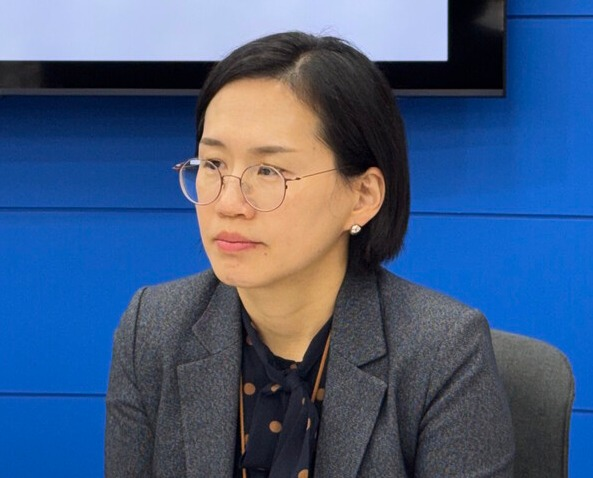
MFDS eases early anticancer trial access for non-curative patients, allowing participation even with remaining standard treatments if scientifically justified. Previously limited to exhausted-therapy cases, the change boosts innovative drug access and global trial inclusion while ensuring safety.
‘Korea to build multiomics-based ‘drug response map’ for precision medicine
MFDS advances Korean Drug Response Map using multiomics data from 7,500 chronic patients to predict individual drug reactions. Unique Korean genomic signals identified; AI algorithms developed with SNU. Phase 2 (2026–2030) invests ₩37.5B to expand cohort to 40,000+ with epigenomics/transcriptomics.
South Korea’s Satellite to Advance Anti-Cancer Drug Development in Space
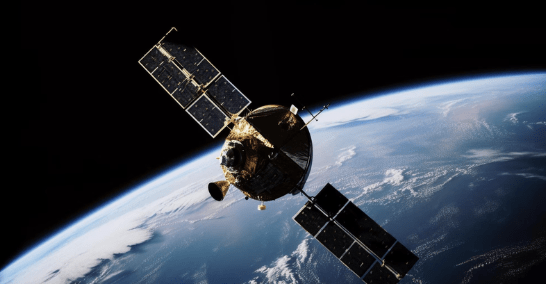
Korean satellite Bicheon carries payloads for space-based research: monitoring MSD’s Keytruda protein crystallization for better drug design, and verifying stem cell 3D printing/cultivation. Microgravity enables uniform crystals and efficient cell growth, accelerating anticancer drug development and regenerative therapies. Domestic firms like Boryung and Excell pursue space-based cell therapies and artificial blood.
The potential of medical AI seen by participation in the K-Health demonstration project

AI is transforming medicine by overcoming doctors’ limitations in diagnosis and monitoring. In the K-Health project, an AI app analyzes pediatric patients’ breath sounds via smartphone recordings by nurses, enabling early detection of respiratory issues. This addresses pediatric specialist shortages and improves care continuity.
South Korea launches $600 million initiative to speed medical device innovation
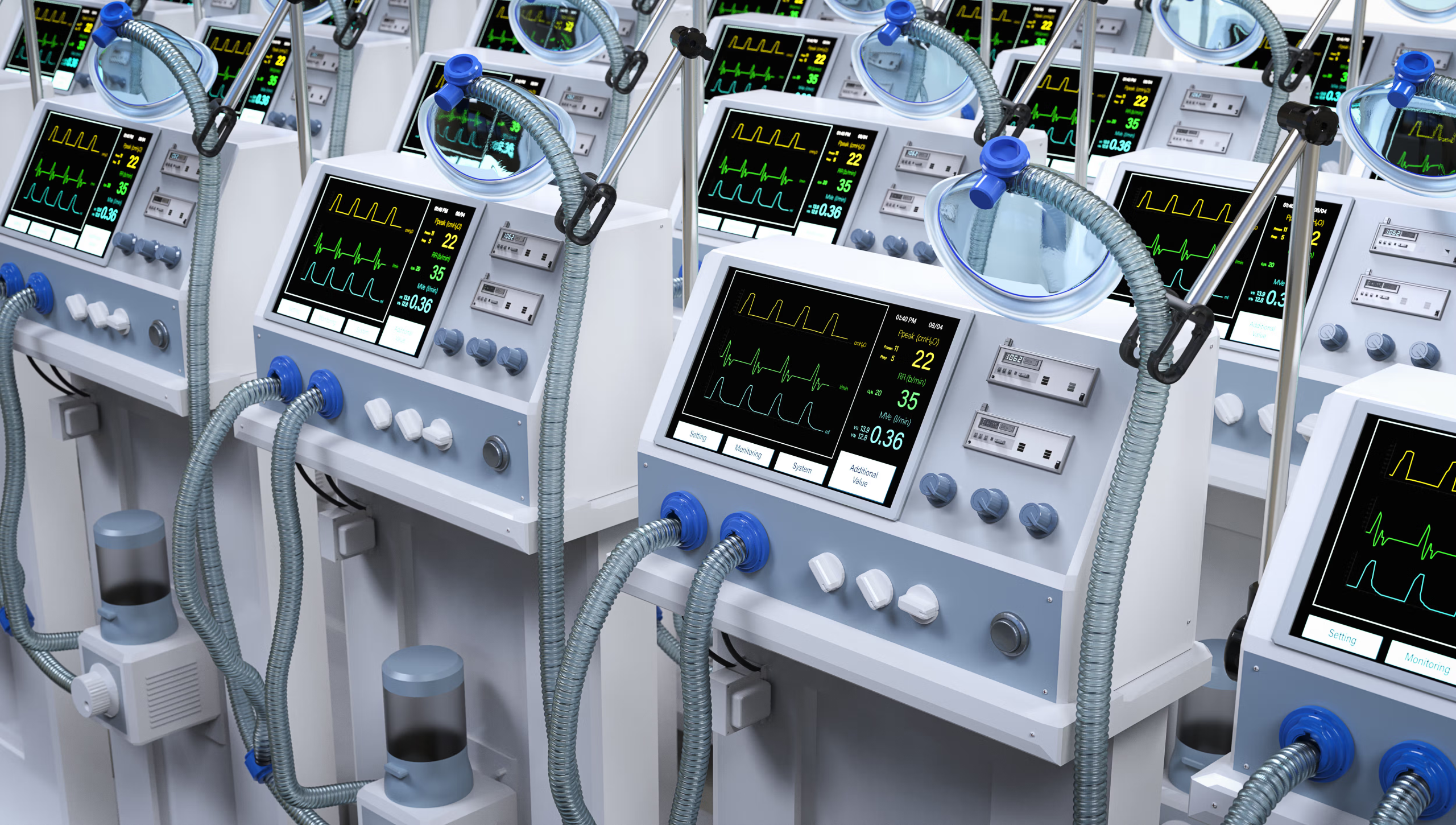
South Korea invests over ₩900B ($622M) in next-gen medical devices, focusing on AI diagnostics, robotics, and implants via inter-ministry program. Aims to boost global competitiveness; market projected 5% CAGR (2024–2034), 7% APAC share in 2025. Shifts from manufacturing to high-value innovation.
Minister Oh Announces CDMO Act,AI Cybersecurity Guidelines
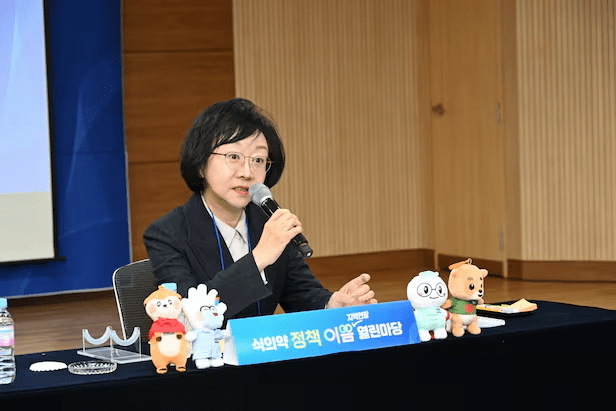
MFDS Minister Oh Yu-kyoung highlighted the CDMO Support Special Act as a 2025 achievement for bio exports. Next year, cybersecurity guidelines for AI/digital devices will be issued. She addressed ingredient-name prescriptions (no undermining doctors’ rights), obesity drug misuse controls, and AI false ad regulations for faster enforcement.